



Overview of Operating, Investing, and Financing Activities The Statement of Cash Flows

It enables them to assess the company’s operational efficiency, financial stability, and strategic focus. Together, these cash flow streams paint a comprehensive picture of the company’s financial health and long-term viability. The cash flow from financing activities formula is the sum of all cash inflows and outflows. This includes stock repurchases, dividend payments, debt issuance, and debt repayment. In this formula, cash outflows are negative numbers and are represented within parentheses.
Defining Investing Activities
While this can be a smart move, too much negative flow can worry investors about the company’s future. Positive cash flow means a company has more money coming in than going out. Money might come from debt issuance, like getting loans, or equity issuance, like selling shares. These actions led to a positive net cash flow of $55,000 for ABC Corporation. Cash inflows from investors occur from newly issued stock or contributions from partners; whereas, cash outflows from investors consist of dividends and owner distributions.
What Cash Flow From Financing Activities Tells You About Financial Health

This section delves into the intricacies of financing financing activities accounting activities, offering a comprehensive guide to help you master this crucial aspect of managerial accounting. When analyzing a company’s financial statements, it is crucial to understand the different activities that contribute to its overall financial health. Two key sections of the statement of cash flows are financing activities and investing activities. While both sections involve the movement of cash, they represent distinct aspects of a company’s operations.
- It serves as a criterion for the investors and the shareholders to analyze the company’s policy, its efficiency in managing long-term financing activities, and its overall sound financial health.
- Investing activities, at their core, involve the purchase and sale of long-term assets.
- From the management’s perspective, aligning financing activities with shareholder interests requires careful planning.
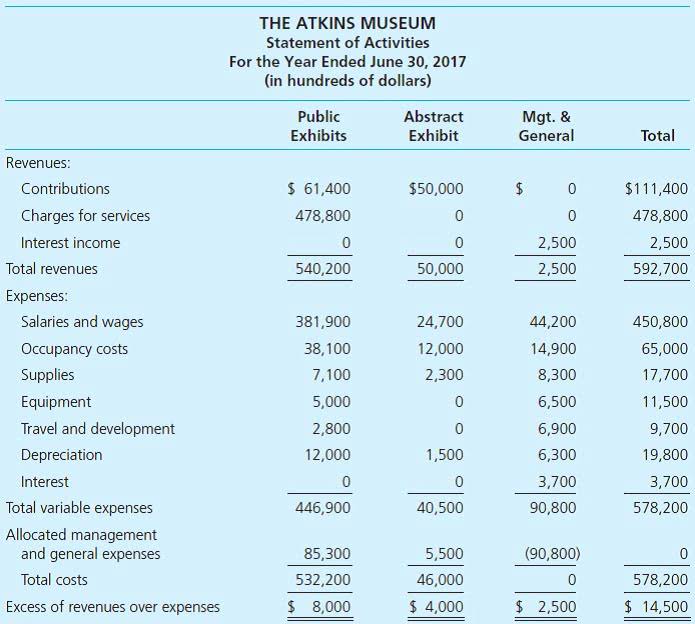
- Food banks have as a primary purpose the collection, storage, and distribution of food to those in need.
- Apart from changes in an organization’s capital structure, accountants will likewise note payments made for interests and dividends.
Analysis of How Different Companies Manage Their Operating, Investing, and Financing Cash Flows
- By understanding where a company’s cash comes from, investors can get a better sense of the health of the business.
- Lenders, in turn, assess the cyclical nature of the business before offering financing terms, often requiring more detailed forecasts and collateral.
- Understanding financing activities is essential for businesses to make strategic decisions, assess their financial health, and communicate effectively with stakeholders.
- These activities are recorded in the financial statements, providing a comprehensive view of a company’s financial position and performance.
But a company that can generate positive cash flow from financing activities might suggest they are in good financial health. Cash flow statements give a clear picture of a company’s financial health. They track the money impact from activities like share deals and dividends. In the busy world of business finance, companies often engage in financing activities.


They can usually be identified from changes inthe Fixed Assets section of the long-term assets section of thebalance sheet. Cash flows from investing activities are cash business transactions related to a business’ investments https://eaoa.nl/top-10-accounts-receivable-ar-scenarios-and-how-to-4/ in long-term assets. They can usually be identified from changes in the Fixed Assets section of the long-term assets section of the balance sheet. Financing activities play a crucial role in the world of accounting and finance. They involve the management of a company’s financial resources to fund its operations, expand its business, and meet its obligations.
This knowledge allows for the determination of the actual cash paid in dividends, which is critical for the cash flow statement. Overall, mastering these concepts is vital for understanding the financing activities within the cash flow statement. Financing activities are financial transactions where a company interacts with its owners (through issuing or repurchasing equity) and its creditors (through borrowing or repaying loans). These activities involve the flow of cash and cash equivalents between the company and its sources of finance, such as investors and creditors, for non-trading liabilities like long-term loans and bonds payable. Cash flow from financing activities is the third section of an organization’s cash flow statement, outlining the inflows and outflows of cash used to fund the business for a given period. Financing activities, on the other hand, impact a company’s capital structure, cost of capital, and its ability to meet its financial obligations.
For instance, a firm issuing new stock might be aiming for aggressive expansion, indicating confidence in future performance. In contrast, a company choosing to pay down debt or repurchase shares may be focusing on strengthening its balance sheet and increasing shareholder value. XYZ company provides the following information regarding its cash inflow and outflow. Investing activities provide insights into a company’s growth strategy and future prospects. Significant investments in PP&E may indicate expansion plans, while divestitures could suggest a shift in strategic focus.

Too much equity, while less risky, may dilute earnings and signal a lack of internal funding efficiency. Choosing between equity and debt financing is not a one-size-fits-all decision. Each business must evaluate its current financial condition, growth objectives, risk tolerance, and market conditions before deciding on a financing strategy. A company consistently using debt might do so to take advantage of low interest rates, while another may issue equity to avoid over-leveraging. The trends and choices contribution margin reflected in financing activities help in understanding the company’s long-term vision and financial discipline.
 |
|
