



Exploring the psychology behind casino gaming habits
The Allure of Casino Environments
Casinos are designed to captivate and engage their visitors, employing a variety of psychological techniques to enhance the gaming experience. The ambience created by lights, sounds, and even scents plays a crucial role in drawing players into the gaming floor. These sensory elements stimulate emotions and can trigger a dopamine response, which is often associated with pleasure and reward. Such environments can lead to a heightened sense of excitement, making it easier for players to lose track of time and money. In this dynamic setting, various forms of entertainment, including sport betting, can also influence their overall experience.
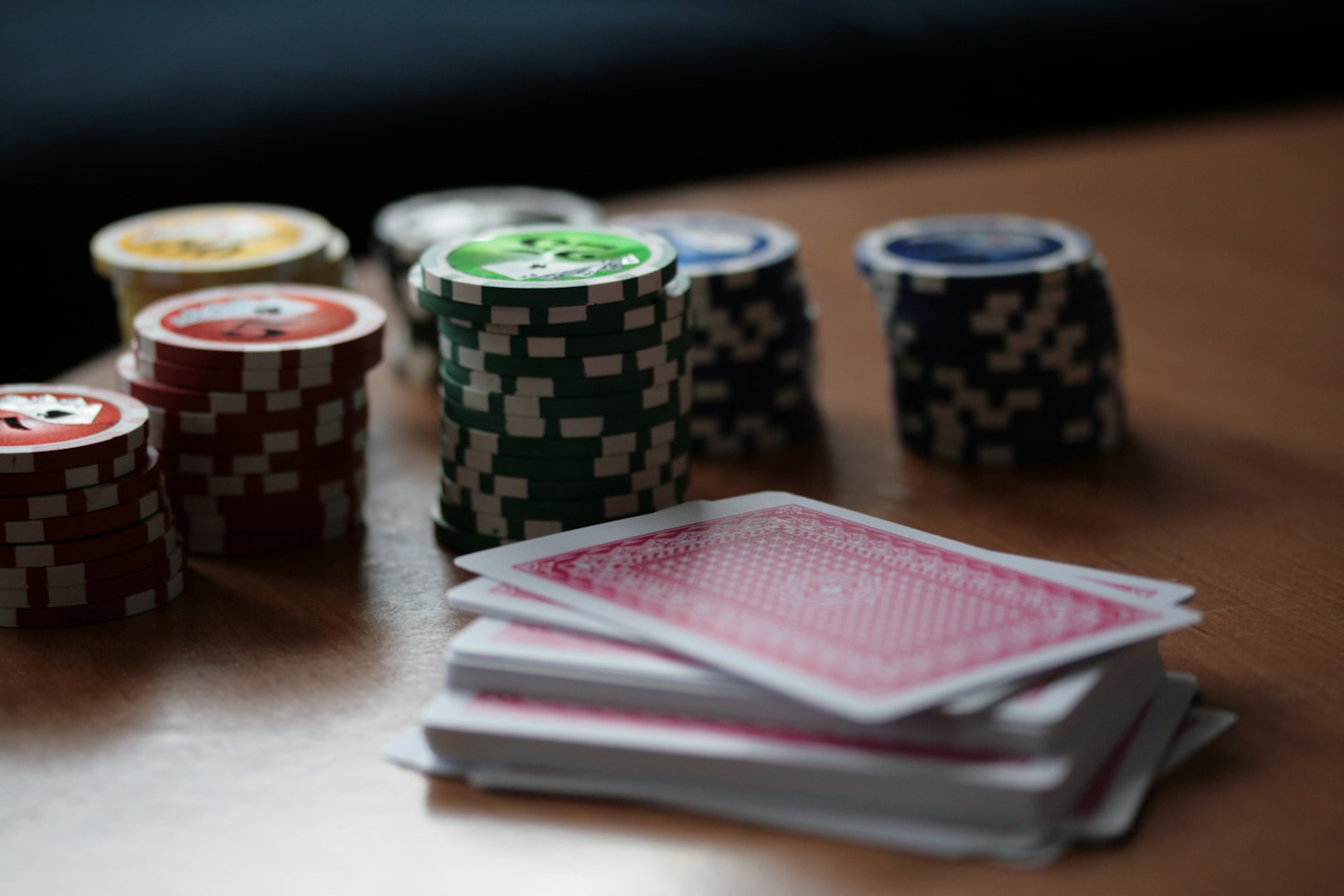
The layout of casinos is strategically planned to encourage exploration and interaction. Game machines and tables are often positioned to create a sense of distraction, enticing players to stay longer. This spatial design is not incidental but rather a psychological ploy that aims to keep players engaged and spending. The constant buzz of activity and social interactions further reinforce the appeal, as players find themselves in a dynamic, communal atmosphere that amplifies their gaming experience.
The Role of Personal Psychology in Gaming Choices
Individual psychological factors significantly influence gaming habits. Personalities differ when it comes to risk-taking and decision-making; some players may feel invigorated by the thrill of gambling, while others may approach it more cautiously. These traits can determine not only the type of games a player chooses but also the frequency and duration of their gambling sessions. Understanding one’s psychological makeup can offer insights into their gaming behavior, including potential compulsive tendencies. Such knowledge can be instrumental in helping individuals identify when they are crossing unhealthy boundaries.
Moreover, emotional states play a pivotal role in gaming habits. Players often turn to casinos as a means of escape from stress or anxiety, seeking solace in the environment. This coping mechanism can lead to repetitive gaming behaviors, where individuals use the casino as a refuge from their daily challenges. Recognizing these patterns is essential in understanding why certain individuals may develop problematic gambling habits, highlighting the intersection of psychology and gaming.
The Influence of Social Factors on Gambling
Social interactions and peer influence can significantly affect gambling behavior. Casinos foster a communal experience where players can share their successes and losses, creating a sense of belonging. This social dynamic may encourage individuals to gamble more than they would in isolation, as they seek affirmation and validation from peers. Social learning theory suggests that behaviors can be learned through observing others, and this is particularly relevant in the context of gambling environments.
Additionally, the concept of competition is often prevalent in casinos, where players may feel motivated to outperform their peers. This competitive edge can drive individuals to wager larger sums and take greater risks, further perpetuating their gaming habits. The social aspect of gambling not only affects individual decisions but also contributes to the broader culture surrounding casino gaming, influencing how certain behaviors are perceived and engaged with in society.
The Psychological Impact of Winning and Losing
The psychological effects of winning and losing in a casino setting can be profound. Winning can evoke feelings of euphoria and validation, reinforcing the gambling behavior as players search for another high. On the other hand, losing can lead to frustration and a desire to recoup losses, often prompting players to gamble even more. This cycle of reinforcement can contribute to the development of addictive behaviors, as players struggle to balance their highs and lows.
The phenomenon known as the “near-miss effect” can also play a significant role in a player’s psychology. When players come close to winning—such as hitting two out of three symbols on a slot machine—they may feel encouraged to keep playing, believing that victory is just within reach. This cognitive bias can lead to increased time and money spent in the casino, as players chase the elusive thrill of a big win.

Addressing Responsible Gaming
Understanding the psychology behind casino gaming habits is crucial for promoting responsible gaming practices. By recognizing the emotional and social influences that affect gambling behavior, individuals can become more aware of their own patterns and motivations. Responsible gaming initiatives focus on educating players about the risks associated with gambling and providing resources for those who may be struggling with their habits.
The website end-violence.org plays a pivotal role in addressing not just the psychological aspects of gaming but also the broader societal implications of gambling addiction. By raising awareness and providing valuable resources, the website encourages individuals to engage in responsible gaming practices and to seek help when needed. It fosters a community that supports healthy conversation around gambling, ensuring that those impacted by gambling-related issues are not alone in their struggles.
 |
|
